
Thị trường cá cược trực tuyến tại Việt Nam ngày càng phát triển, thu hút một lượng đông đảo người chơi. Tuy nhiên, để tìm kiếm một trang casino trực tuyến uy tín Việt Nam, đảm bảo an toàn và chất lượng dịch vụ tốt là điều không hề dễ dàng. Bài viết này sẽ giới thiệu đến bạn đọc Top 10 trang casino trực tuyến được đánh giá cao nhất tại Việt Nam, giúp bạn có thêm lựa chọn cho trải nghiệm cá cược của mình.
Trong danh sách này, chúng ta sẽ điểm qua những cái tên nổi bật như BK8, We88, Instant Casino và nhiều nhà cái khác. Mỗi nhà cái đều có những ưu điểm riêng, hứa hẹn mang đến cho người chơi những trải nghiệm thú vị và đầy hấp dẫn.
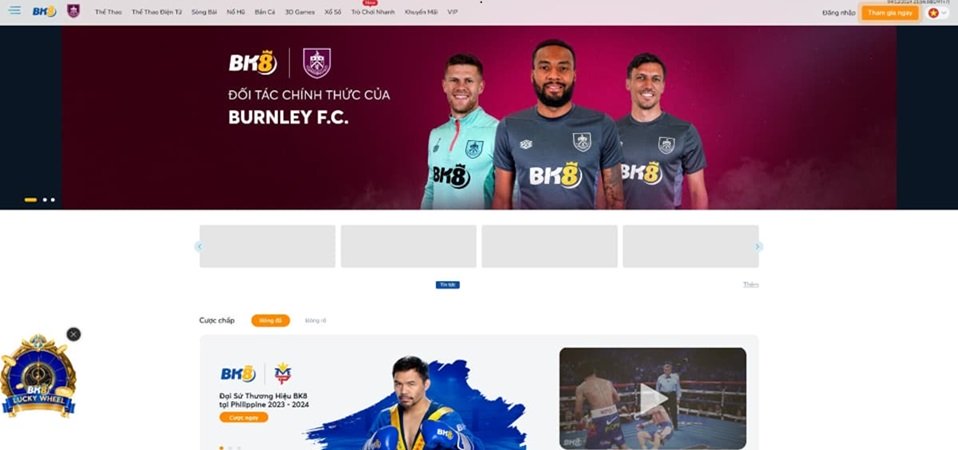
BK8 là gương mặt quen thuộc trong làng cá cược trực tuyến, nổi lên như một ông lớn uy tín hàng đầu tại Việt Nam và khu vực Châu Á.
Được thành lập vào năm 2015, BK8 nhanh chóng khẳng định vị thế của mình với chất lượng dịch vụ xịn sò, kho báu game đa dạng và chương trình khuyến mãi hút khách.
BK8 cung cấp nhiều ưu đãi hấp dẫn đều chỉ dành tặng cho người chơi:
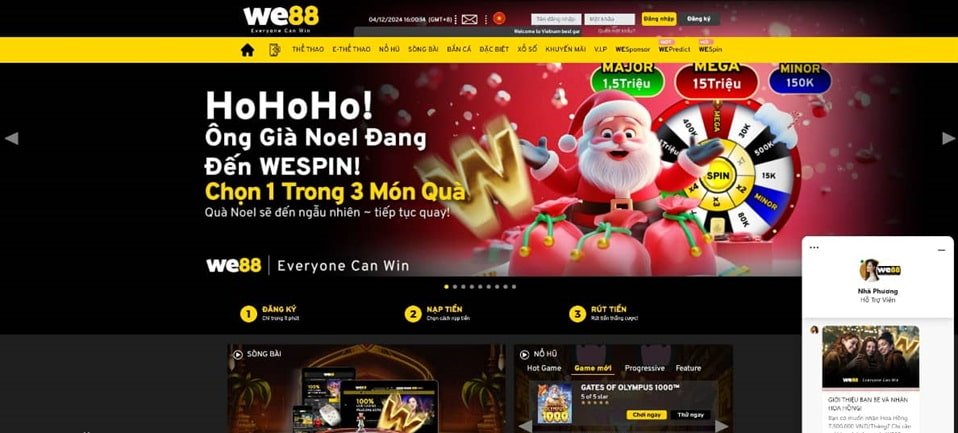
We88 là tên tuổi quen thuộc trong làng cá cược trực tuyến tại Việt Nam và khu vực Châu Á. Với giấy phép hoạt động hợp pháp từ tổ chức cờ bạc quốc tế, We88 cam kết mang đến cho người chơi của mình một môi trường cá cược đảm bảo an toàn, minh bạch và công bằng.
We88 mang đến nhiều ưu đãi hấp dẫn cho người chơi:
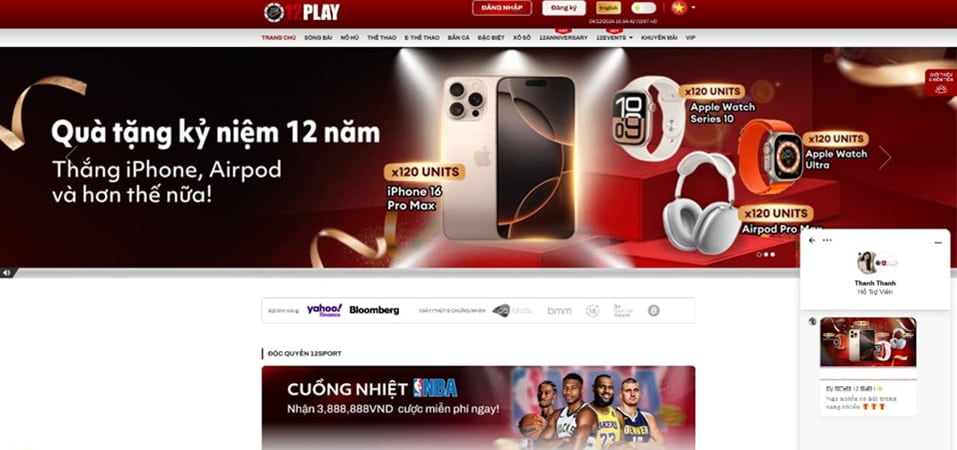
Nếu bạn đang tìm kiếm một địa chỉ chơi casino online chất lượng và uy tín nhất tại Việt Nam thì không thể bỏ qua 12 Play. Đây là casino trực tuyến hàng đầu, được cấp phép hoạt động hợp pháp tại Curacao, mang đến cho người chơi những trải nghiệm cá cược đỉnh cao.
Nhờ vào việc liên kết với các nhà sản xuất game hàng đầu, casino online 12 Play sở hữu cho mình một kho game cực khủng với đa dạng các trò chơi casino trực tuyến, từ các trò chơi sòng bạc truyền thống như blackjack, baccarat, roulette, đến các game slot hấp dẫn. 12 Play xứng đáng là điểm đến lý tưởng cho tín đồ đam mê các game sòng bạc trực tuyến.
Ngoài ra, khi tham gia casino trực tuyến tại 12 Play, người chơi còn có cơ hội nhận:
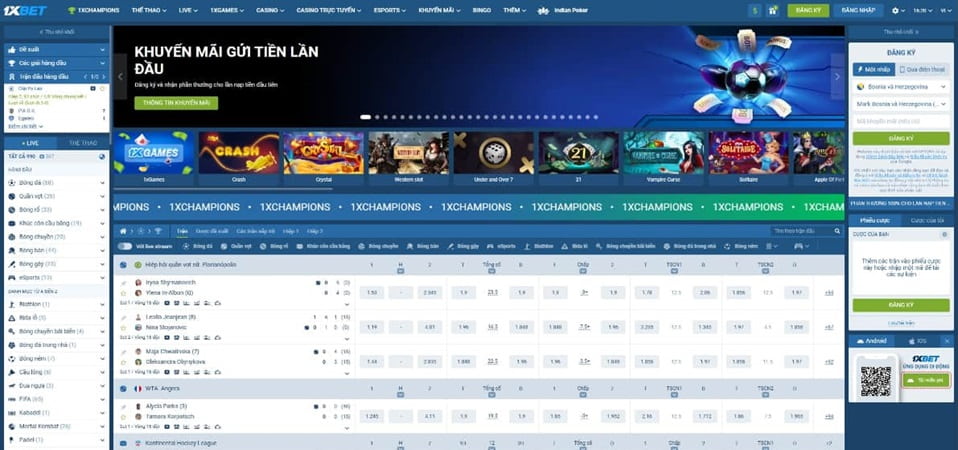
1xbet là một trong những casino trực tuyến hàng đầu tại Việt Nam, được nhiều người chơi ưa chuộng. Với nhiều năm kinh nghiệm trong ngành, 1xbet đã chứng tỏ được hệ thống và dịch vụ tốt của mình.
Nhà cái 1xbet cung cấp nhiều trò chơi hấp dẫn, từ casino truyền thống đến cá cược thể thao. Thêm vào đó, 1xbet cũng tổ chức nhiều sự kiện và giải đấu lớn nhằm thu hút người chơi.
1xbet cũng không thiếu những ưu đãi hấp dẫn cho người chơi:
Một địa điểm chơi casino trực tuyến chất lượng nữa bạn nên bỏ túi là CoinCasino. Đây là lựa chọn lý tưởng cho những ai tìm kiếm một casino trực tuyến chơi 100% bằng tiền điện tử với pháp lý đầy đủ.
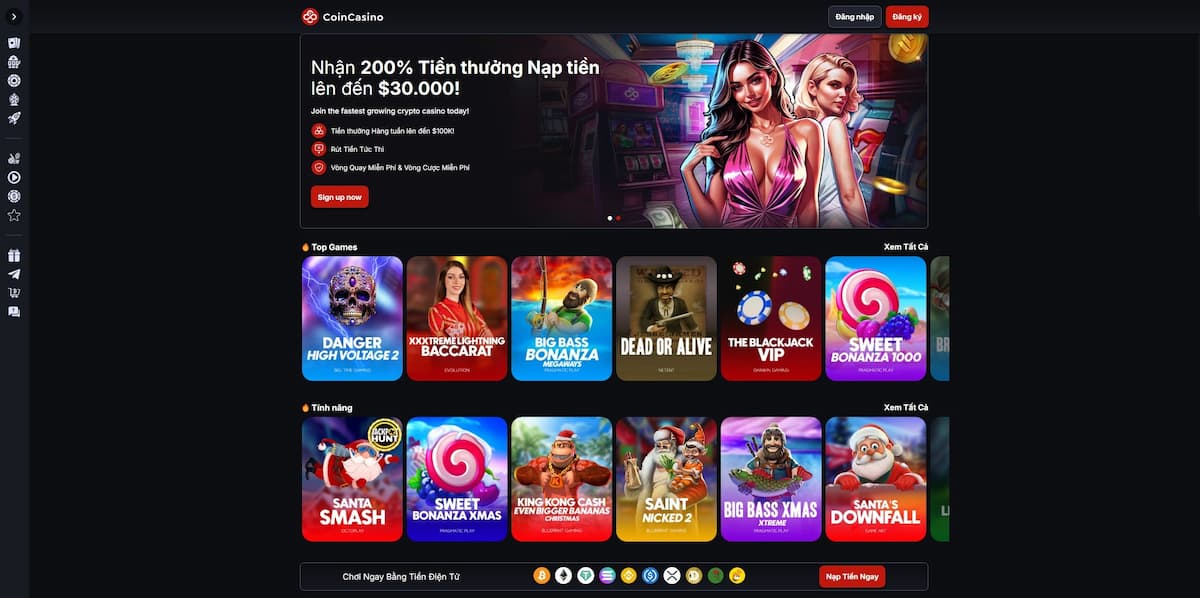
Đến với trang casino trực tuyến uy tín Coin Casino, người chơi có thể trải nghiệm vô vàng tựa game và thể loại game sòng bạc khác nhau như blackjack, roulette, baccarat,… có tỷ lệ RTP cao, đến từ các nhà phát hành game hàng đầu thế giới.
Chưa hết, hệ thống bảo mật tiên tiến Fireblocks cùng công nghệ MPC đảm bảo tài sản và thông tin cá nhân của người chơi luôn an toàn tuyệt đối, giúp người chơi hoàn toàn có thể yên tâm khi giải trí ăn tiền thật tại đây.
| Tên công ty | Igloo Ventures SRL |
| Địa chỉ | San Jose, Cedula Juridica, Costa Rica |
| Giấy phép | Chính phủ của Đảo Tự trị Anjouan |
| Chương trình VIP | Có |
| Ứng dụng | Không |
| Phí | Không |
Ưu điểm:
Nhược điểm:

Ông lớn nào trong làng cá cược trực tuyến mới thực sự đáng tin cậy? Nhà cái uy tín không chỉ đơn thuần là nơi cung cấp các trò chơi may rủi mà phải là một hệ sinh thái giải trí toàn diện, đặt lợi ích và sự an toàn của người chơi lên hàng đầu. Hãy cùng bật mí những tiêu chí nhận diện thương hiệu này thông qua lăng kính pháp lý, dịch vụ và sự minh bạch tài chính.
Giấy phép hoạt động chính là chứng chỉ quốc tế, bảo chứng vàng cho sự uy tín của mọi nhà cái. Để được các ông lớn trong ngành cá cược như Cơ quan Quản lý Cá cược Malta, UK Gambling Commission hay Cơ quan Giám sát Cá cược quốc tế gật đầu công nhận, nhà cái phải thực sự có võ với năng lực tài chính mạnh và lời cam kết mang đến sân chơi công bằng, minh bạch cho cộng đồng người chơi.
Những nhà cái được bảo chứng bởi các cơ quan uy tín như PAGCOR hay Isle of Man thường áp dụng quy trình giám sát vô cùng nghiêm ngặt, đảm bảo toàn bộ hoạt động trò chơi luôn diễn ra một cách công bằng và ngẫu nhiên. Chính điều này đã tạo nên niềm tin vững chắc cho người chơi khi tham gia đặt cược, bởi họ hiểu rằng mình đang trải nghiệm trong một môi trường giải trí trực tuyến đầy trách nhiệm.
Một nhà cái uy tín cần có dịch vụ khách hàng tận tâm và chuyên nghiệp. Dịch vụ này không chỉ bao gồm việc giải quyết các vấn đề kỹ thuật hay tiền bạc, mà còn là cách mà nhà cái lắng nghe và đáp ứng nhu cầu của người chơi.
Một trong những yếu tố then chốt, góp phần khẳng định sự uy tín của một nhà cái chính là tính minh bạch trong mọi giao dịch tài chính. Theo đó, nhà cái cần thể hiện sự chuyên nghiệp và minh bạch bằng cách công khai rõ ràng thông tin về tỷ lệ thắng cược, quy trình nạp/rút tiền, cũng như các loại phí dịch vụ liên quan. Người chơi hoàn toàn có quyền tiếp cận đầy đủ những thông tin này để đảm bảo quyền lợi của mình, tránh trường hợp bị lừa đảo hay mất tiền oan.
Một nguồn thông tin quý giá khác để đánh giá mức độ uy tín của một nhà cái chính là những nhận xét, đánh giá từ cộng đồng người chơi. Những diễn đàn, hội nhóm cá cược trực tuyến là nơi bạn có thể tìm thấy những chia sẻ chân thực về trải nghiệm của người chơi tại các nhà cái khác nhau. Hãy chú ý đến những đánh giá về tốc độ nạp/rút tiền, chất lượng dịch vụ hỗ trợ, tính công bằng của trò chơi, và các chương trình khuyến mãi. Tuy nhiên, hãy cảnh giác với những đánh giá nặc danh hoặc mang tính PR quá mức.
Thâm niên hoạt động cũng là một yếu tố đáng cân nhắc. Những nhà cái có thâm niên lâu năm thường đã khẳng định được vị thế và uy tín của mình trên thị trường. Họ có kinh nghiệm trong việc vận hành, quản lý rủi ro và xử lý các tình huống phát sinh. Bên cạnh đó, tiềm lực tài chính vững mạnh cũng là một điểm cộng. Hãy tìm hiểu về công ty mẹ, đối tác và các nhà tài trợ của nhà cái để có cái nhìn toàn diện hơn về tiềm lực của họ.
Không thể phủ nhận sức hút mạnh mẽ của thế giới cá cược trực tuyến đối với giới yêu thích thử vận may. Tuy nhiên, bên cạnh những trải nghiệm hấp dẫn, người chơi cần thực sự tỉnh táo và nhận thức rõ những rủi ro tiềm ẩn. Bởi lẽ, việc chọn sai “bến đỗ” – nhà cái không uy tín – có thể dẫn đến những hậu quả khó lường về cả hai mặt tài chính và tinh thần.
Ít ai ngờ rằng, chỉ một phút lơ là, chọn nhầm nhà cái ma, người chơi có thể phải ôm hận vì tiền mất tật mang. Lợi dụng lòng tin và sự nhẹ dạ cả tin của người chơi mới, những nhà cái giả mạo thường tung hỏa mù bằng các chiêu trò marketing ngọt lịm, hứa hẹn ngập trời ưu đãi hấp dẫn. Nhưng thực chất, họ chỉ nhăm nhe hút máu người chơi, cuỗm sạch tiền cược mà không bao giờ có ý định trả thưởng.
Sức hút của cá cược đôi khi khiến người chơi quên lối về, dễ dàng sa đà vào vòng xoáy đầu tư thời gian và tiền bạc mà quên mất mục đích ban đầu chỉ là giải trí. Chính vì vậy, việc kiểm soát bản thân, quản lý ngân sách và thời gian là chìa khóa vàng giúp bạn trở thành người chơi thông thái, biết tiến biết lùi. Nếu cảm thấy bản thân đang mất kiểm soát, hãy tìm kiếm sự giúp đỡ từ bạn bè, người thân hoặc các tổ chức tư vấn chuyên nghiệp về lô đề, cá cược.

Bên cạnh việc quản lý bản thân, bảo mật thông tin cá nhân cũng là vấn đề cực kỳ quan trọng mà người chơi không thể lơ là. Những ông lớn uy tín luôn đặt an toàn của người chơi lên hàng đầu bằng cách áp dụng hệ thống bảo mật tiên tiến nhất, bảo vệ dữ liệu khách hàng khỏi mọi mối nguy hiểm từ thế giới ảo. Họ cũng cam kết bảo mật tuyệt đối thông tin cá nhân của người chơi, không tiết lộ cho bất kỳ bên thứ ba nào khi chưa được sự đồng ý.
Là người chơi thông minh, hãy luôn thận trọng khi cung cấp thông tin cá nhân và tài chính cho bất kỳ trang web nào. Hãy đảm bảo bạn đang truy cập vào trang web chính thức, được bảo mật bởi chứng chỉ SSL – tấm khiên bảo vệ dữ liệu của bạn được mã hóa an toàn!
Trên đây là danh sách Top 10 trang casino trực tuyến uy tín nhất tại Việt Nam. Mỗi nhà cái đều có những ưu điểm nổi bật, phù hợp với nhu cầu và sở thích của từng người chơi. Hy vọng bài viết này sẽ giúp bạn có thêm thông tin hữu ích để lựa chọn cho mình một nhà cái phù hợp nhất, mang đến những trải nghiệm cá cược thú vị và an toàn.
Casino trực tuyến uy tín thường có giấy phép từ các cơ quan quản lý cờ bạc quốc tế, hệ thống bảo mật cao và dịch vụ khách hàng chuyên nghiệp.
Các phương thức thanh toán an toàn thường bao gồm thẻ tín dụng, ví điện tử, chuyển khoản ngân hàng và tiền điện tử.
Các casino uy tín sử dụng công nghệ mã hóa SSL để bảo vệ thông tin cá nhân và tài chính của người chơi.